
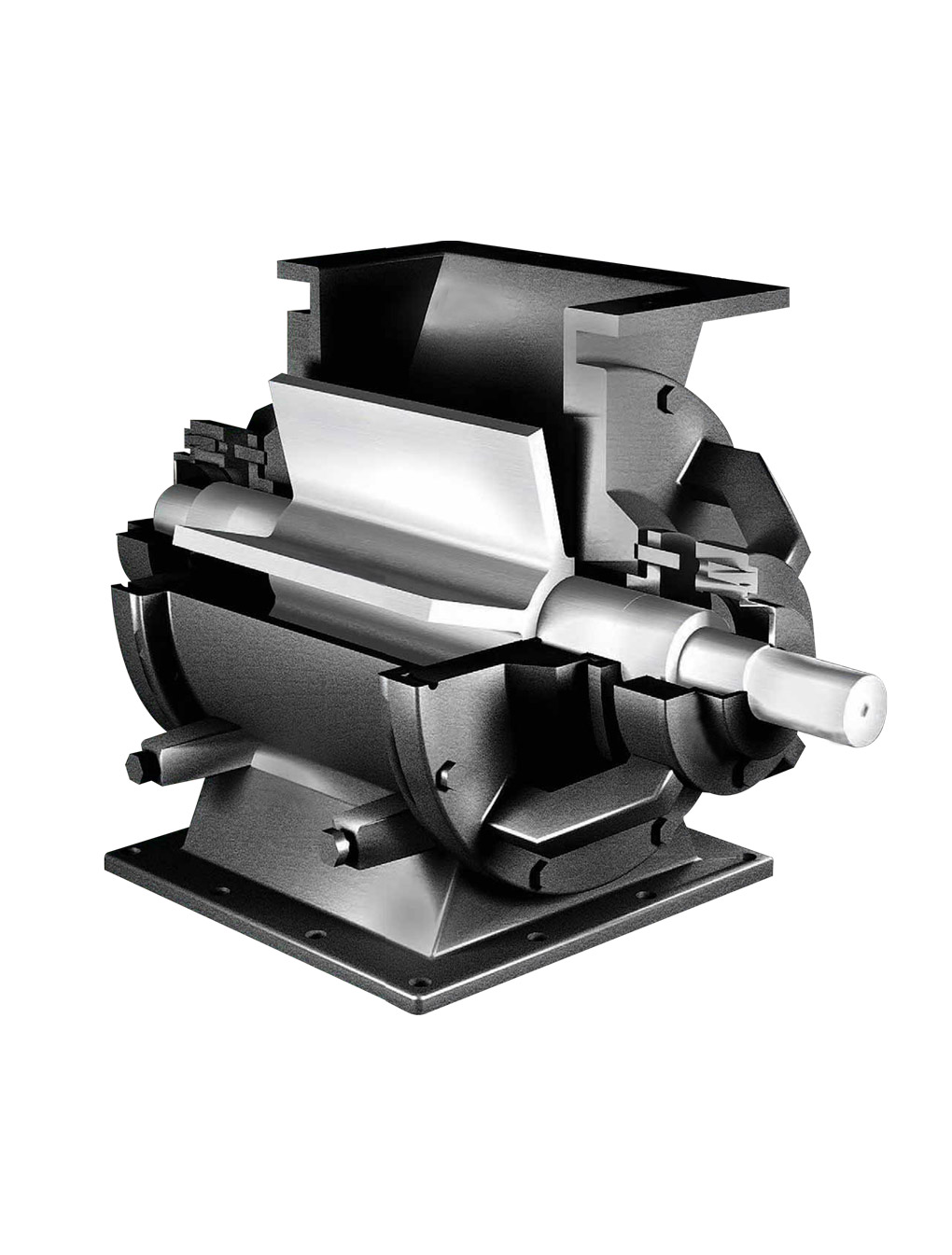
ROTARY AIRLOCK VALVES
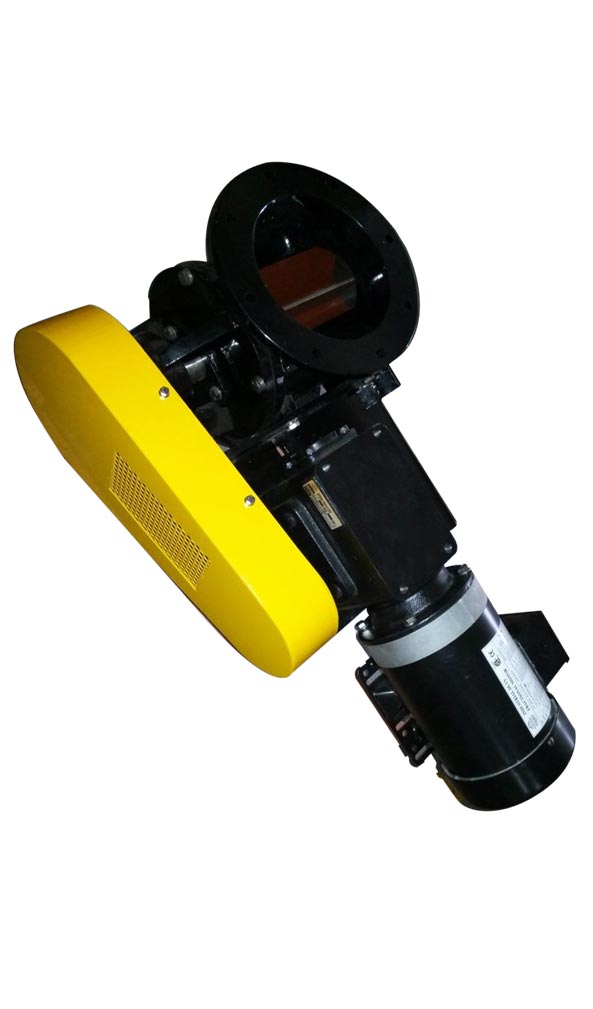
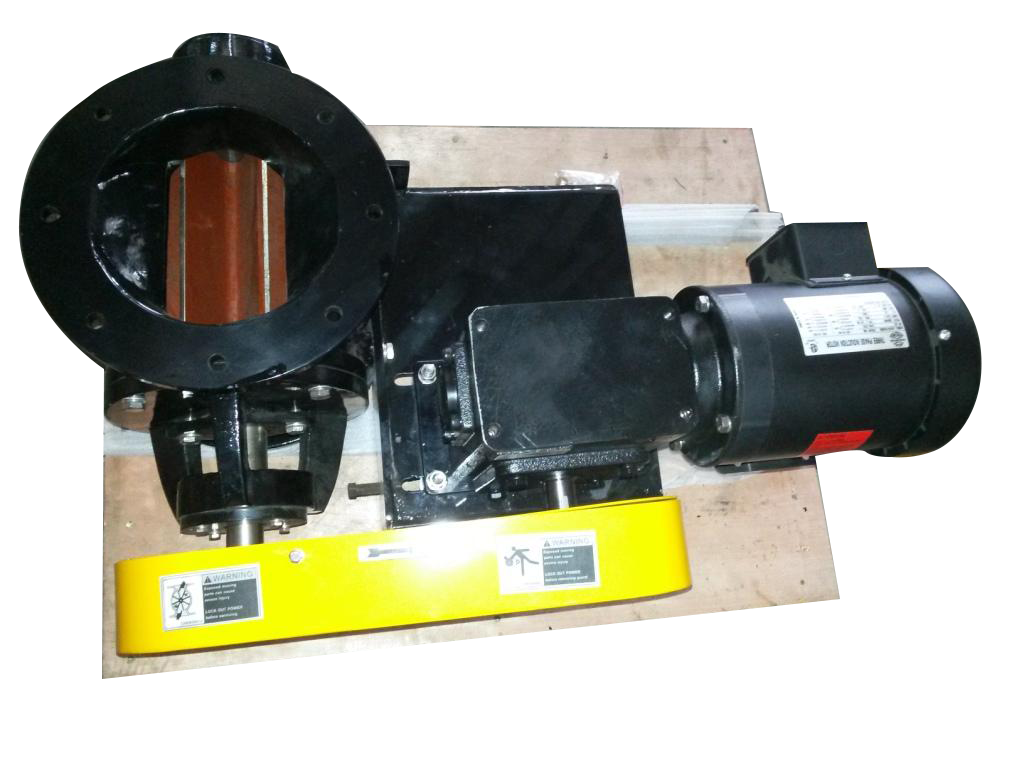
Baghouse America manufactures rotary airlock valves designed for industrial dust collection systems and material handling applications. Rotary airlock valves are essential components used to control the discharge of dust, powders, and bulk materials while maintaining proper air pressure within dust collectors and baghouses. These valves help ensure efficient system performance by allowing continuous material flow without disrupting airflow.
With more than 20 years of experience in industrial air filtration and dust collection equipment, Baghouse America engineers rotary airlock valves built for durability, precision, and reliable operation. Designed to perform in demanding industrial environments, our valves help facilities improve operational efficiency, reduce downtime, and maintain safe working conditions.
Rotary Airlock Valve Manufacturers
WHAT WE DO
As a leading rotary airlock valve manufacturer, Baghouse America provides a high-quality range of industrial rotary airlock valves and valve replacement parts designed for dust collection and material handling systems. Our product lineup includes rotary air valves, vacuum rotary airlock valves, and high-pressure rotary airlock valves engineered to maintain consistent material discharge while preserving system airflow in demanding industrial environments.
Our rotary airlock valves are built with durability and precision in mind, allowing them to perform reliably in challenging operating conditions. By focusing on quality materials and precision engineering, Baghouse America delivers dependable airlock valve solutions that help facilities maintain efficient dust collection performance while reducing maintenance and downtime.

APPLICATIONS


BAGHOUSE AMERICA PUTS YOU AND OUR ENVIRONMENT FIRST.
OUR VALUES

BREAK FREE FROM PROPRIETARY JAIL
Baghouse America removes the need to work exclusively with manufacturers.

LOW-COST SOLUTIONS
Baghouse America provides the lowest cost possible because we put global sustainability over profit.

LONG-LASTING MATERIALS
Not only are Baghouse America’s rotary airlocks for dust collectors priced well, parts from us are manufactured to last longer and perform better.
WHAT ARE ROTARY AIRLOCK VALVES?
Rotary airlock valves, also known as rotary valves or rotary feeders, are mechanical devices used to discharge bulk materials from hoppers, bins, dust collectors, and storage vessels into pressure or vacuum-driven pneumatic conveying systems. In industrial dust collection systems, rotary airlock valves allow collected dust and particulate to exit the system while maintaining proper air pressure. By controlling the transfer of material between areas with different pressures, these valves prevent air leakage and ensure consistent material flow rates throughout the system.
Rotary airlock valves play a critical role in maintaining efficient system operation by minimizing air loss and regulating pressure inside processing equipment. Their design helps prevent clogging, protect equipment from pressure imbalances, and support smooth material handling processes. By maintaining reliable airflow and controlled material discharge, rotary airlock valves improve operational efficiency, reduce downtime, and enhance the overall performance of industrial dust collection and pneumatic conveying systems.
HOW CAN BAGHOUSE AMERICA HELP WITH YOUR ROTARY AIRLOCK VALVE NEEDS?
Working with Baghouse America for all of your rotary airlock valve needs is as simple as requesting a quote. Once in touch with our sales team, our dedicated representative will work with you from start to finish, helping you gain a deep understanding of your application and needs while providing the best solutions to the problems you face. These valves are particularly important for industries handling powders, granules, and other bulk materials. They are critical for ensuring efficient and safe material transfer in manufacturing, food processing, pharmaceuticals, and other industries.
We have mastered the quality of our products and their longevity. Baghouse America will not waste your time. We respect your position in the market and provide honest, up-front information that saves you time, cost, and peace of mind.


ROTARY AIRLOCK VALVES
LET OUR INDUSTRY EXPERTS CREATE YOUR TAILORED SOLUTION
Working with Baghouse America for dust collection needs is as easy as requesting a quote. Once in touch with our sales team, our dedicated representative will work with you from start to finish, gain a deep understanding of your needs, and provide the best solutions to the problems you face. Baghouse America will not waste your time. We respect your position in the market and provide honest, up-front information that saves you time, cost, and peace of mind.
Frequently Asked Questions
A rotary airlock valve is used to control the discharge of bulk materials from hoppers, bins, and dust collectors while maintaining system air pressure. These valves allow materials such as dust, powders, and pellets to move through pneumatic conveying or dust collection systems without allowing excess air leakage.
Rotary airlock valves should be inspected regularly and serviced when signs of wear appear, such as excessive air leakage, reduced material flow, unusual vibration, or rotor and housing wear. Routine maintenance helps ensure the valve maintains proper pressure sealing and reliable material discharge within dust collection or pneumatic conveying systems.
A rotary airlock valve uses a rotating rotor with pockets that capture material from a hopper or dust collector and discharge it below the valve. As the rotor turns, it allows material to pass through while maintaining separation between pressure zones, helping dust collection systems maintain consistent airflow and pressure.
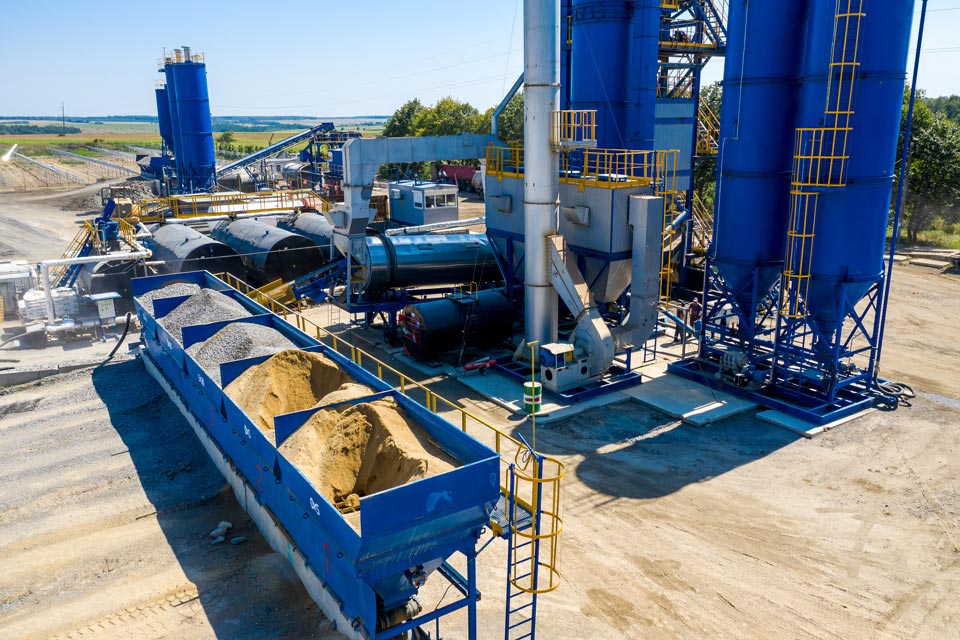
Rotary airlock valves are used in many industries that rely on dust collection or bulk material handling systems. Common industries include manufacturing, food processing, pharmaceuticals, agriculture, chemical processing, mining, woodworking, and recycling. These valves help maintain efficient material transfer and reliable system performance.
A rotary valve and a rotary airlock valve operate using the same basic mechanism, but a rotary airlock valve is specifically designed to maintain a pressure seal between two areas of different air pressure. This makes rotary airlock valves ideal for dust collection systems and pneumatic conveying applications where maintaining airflow and pressure balance is critical.
Rotary airlock valves are designed to handle a wide range of bulk materials, including dust, powders, pellets, granules, and other dry materials. They are commonly used in dust collection systems and pneumatic conveying applications to discharge materials such as cement dust, grain, wood dust, chemical powders, and other industrial particulates while maintaining proper system pressure.
Lorem Ipsum is simply dummy text of the printing and typesetting industry. Lorem Ipsum has been the industry’s standard dummy text ever since the 1500s, when an unknown printer took a galley of type and scrambled it to make a type specimen book.
Lorem Ipsum is simply dummy text of the printing and typesetting industry. Lorem Ipsum has been the industry’s standard dummy text ever since the 1500s, when an unknown printer took a galley of type and scrambled it to make a type specimen book.
Lorem Ipsum is simply dummy text of the printing and typesetting industry. Lorem Ipsum has been the industry’s standard dummy text ever since the 1500s, when an unknown printer took a galley of type and scrambled it to make a type specimen book.
Lorem Ipsum is simply dummy text of the printing and typesetting industry. Lorem Ipsum has been the industry’s standard dummy text ever since the 1500s, when an unknown printer took a galley of type and scrambled it to make a type specimen book.
Lorem Ipsum is simply dummy text of the printing and typesetting industry. Lorem Ipsum has been the industry’s standard dummy text ever since the 1500s, when an unknown printer took a galley of type and scrambled it to make a type specimen book.
Lorem Ipsum is simply dummy text of the printing and typesetting industry. Lorem Ipsum has been the industry’s standard dummy text ever since the 1500s, when an unknown printer took a galley of type and scrambled it to make a type specimen book.
Lorem Ipsum is simply dummy text of the printing and typesetting industry. Lorem Ipsum has been the industry’s standard dummy text ever since the 1500s, when an unknown printer took a galley of type and scrambled it to make a type specimen book.
Lorem Ipsum is simply dummy text of the printing and typesetting industry. Lorem Ipsum has been the industry’s standard dummy text ever since the 1500s, when an unknown printer took a galley of type and scrambled it to make a type specimen book.
Lorem Ipsum is simply dummy text of the printing and typesetting industry. Lorem Ipsum has been the industry’s standard dummy text ever since the 1500s, when an unknown printer took a galley of type and scrambled it to make a type specimen book.
Lorem Ipsum is simply dummy text of the printing and typesetting industry. Lorem Ipsum has been the industry’s standard dummy text ever since the 1500s, when an unknown printer took a galley of type and scrambled it to make a type specimen book.
Lorem Ipsum is simply dummy text of the printing and typesetting industry. Lorem Ipsum has been the industry’s standard dummy text ever since the 1500s, when an unknown printer took a galley of type and scrambled it to make a type specimen book.
Lorem Ipsum is simply dummy text of the printing and typesetting industry. Lorem Ipsum has been the industry’s standard dummy text ever since the 1500s, when an unknown printer took a galley of type and scrambled it to make a type specimen book.
Lorem Ipsum is simply dummy text of the printing and typesetting industry. Lorem Ipsum has been the industry’s standard dummy text ever since the 1500s, when an unknown printer took a galley of type and scrambled it to make a type specimen book.
Lorem Ipsum is simply dummy text of the printing and typesetting industry. Lorem Ipsum has been the industry’s standard dummy text ever since the 1500s, when an unknown printer took a galley of type and scrambled it to make a type specimen book.